Share
Share

The human heart is astonishing. It beats roughly 100,000 times a day, pumping about 2,000 gallons of blood through the body, sustaining life with each pulse.
Yet, despite its remarkable resilience, the heart is vulnerable. Heart attacks remain a leading cause of death worldwide, often striking with little warning. Recognizing early signs and gender differences, before a full-blown cardiac event occurs, can mean the difference between life and death.
A heart attack, medically known as a myocardial infarction (MI), occurs when blood flow to a portion of the heart muscle is blocked. This blockage is usually caused by a blood clot forming in a coronary artery, which prevents oxygen-rich blood from reaching the heart tissue. Without prompt intervention, the affected heart muscle can become damaged or begin to die, leading to lasting effects on heart function.
Just to be clear, in contrast, heart failure is a chronic condition in which the heart gradually loses its ability to pump blood effectively to meet the body’s needs. Unlike a heart attack, which is typically sudden and acute, heart failure develops over time.
Signs of a Heart Attack in Men
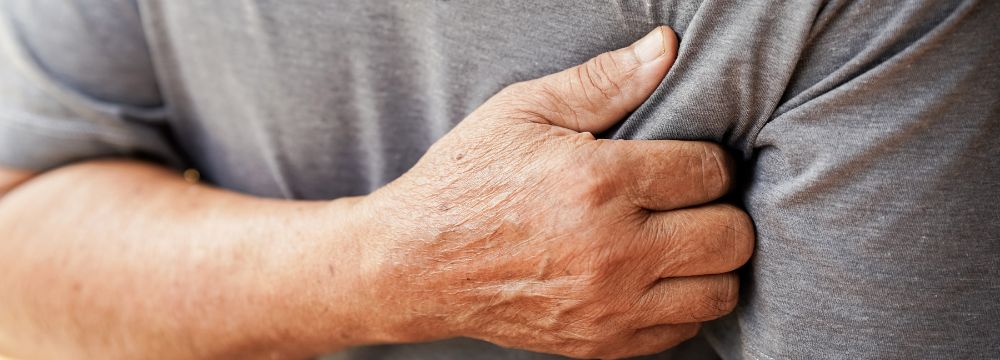
Men are often considered the “classic” cases when it comes to heart attacks, but that doesn’t make their symptoms uniform. Many men experience the well-known chest pain or pressure, often described as a squeezing or heavy sensation in the center of the chest. This discomfort can radiate to the arms, neck, jaw, or back. They can also have symptoms of a heart attack that don’t fit the classic description.
Other common signs include:
- Shortness of breath
- Cold sweats
- Nausea or vomiting
- Lightheadedness or dizziness
- Sensations like heartburn
Due to the high blood volume demands of the male genitals, vascular-related erectile dysfunction (ED), especially at an early age, can also be an indicator of heart health. The smaller size of penile arteries means blood flow issues may become noticeable “down there” before larger arteries in the heart or elsewhere are affected. Consequently, ED can manifest before more severe cardiovascular symptoms, serving as a possible early warning sign of potential heart disease.1
Statistically, men are twice as likely to have a heart attack and at a younger age than women.2 Men are also more likely to report classic chest pain as the first symptom.
It’s important to note that even in men, symptoms can be subtle. Some may experience only mild discomfort, fatigue, or a sense of unease rather than dramatic pain. Recognizing these early signals and acting promptly can prevent more extensive heart damage.
Signs of a Heart Attack in Women
Women’s heart attack symptoms can differ significantly, which is why they are sometimes misdiagnosed or dismissed. While women could also experience the chest pressure men feel, they are more likely to report unusual fatigue, nausea, jaw pain, or shortness of breath as their primary symptoms; chest pain might come much later, if at all.3
Women often experience nontraditional symptoms, such as:
- Pain between the shoulder blades
- Lightheadedness or fainting
- Cold sweats or palpitations
- Indigestion-like discomfort
Statistically, women are more likely to die from a heart attack than men due to the difference in symptoms.4 They are more likely than men to experience heart attacks without chest pain and can have an unusual constellation of the above symptoms, which contributes to delays in seeking care.
Do Signs Appear at Intervals?
Heart attack warning signs can appear long before an actual cardiac event. These early indicators often manifest over months or even years, giving people a chance to act – if they recognize them.
- Months to a year prior: Some individuals may notice gradual fatigue, mild shortness of breath, or unusual exertional discomfort. These symptoms can be subtle and intermittent, which can be easily dismissed.
- Weeks to months prior: Episodes of chest pressure, mild palpitations, or unexplained anxiety may arise. While these could be related to stress or other conditions, they warrant a check-up.
- Days to minutes prior: Classic warning signs – chest pain, shortness of breath, nausea, cold sweats – tend to become more pronounced and persistent.
If you or someone you know experiences these, don’t wait to see if the symptoms pass. Call emergency services immediately if you experience chest pain, pressure, significant shortness of breath, or any other unusual symptoms, even if they seem mild.
It’s also worth noting that other conditions can mimic heart attacks, including acid reflux, panic attacks, muscle strain, or respiratory infections. While not every episode signals a cardiac emergency, it is always safer to get evaluated rather than risk ignoring a potentially life-threatening event.
How Lifestyle Affects Risk
While some risk factors like age, sex, or family history are out of our control, lifestyle choices play a significant role in heart attack prevention.
- Diet: Consuming a diet high in saturated fats, trans fats, and added sugars increases the risk of coronary artery disease. Diets rich in fruits, vegetables, whole grains, and lean proteins can support cardiovascular health.
- Exercise: Regular physical activity helps strengthen the heart and improve circulation. Aim for 150 minutes of moderate-intensity exercise per week, or as guided by your healthcare provider.
- Smoking: Smoking dramatically increases the risk of a heart attack. Quitting, even later in life, significantly reduces the risk.
- Weight management: Obesity is linked to hypertension, diabetes, and cholesterol problems, all of which elevate cardiac risk.
- Stress management: Chronic stress raises blood pressure and can trigger unhealthy habits like poor diet, smoking, or alcohol use. Mindfulness, meditation, and social support can all help mitigate risk.
Making positive lifestyle changes at any age can have a meaningful impact. Even later in life, adopting a heart-healthy diet, becoming more active, quitting smoking, and managing stress can significantly reduce the risk of a heart attack and improve overall cardiovascular health.
Don’t Wait
The heart is resilient, but it also gives signals when something is wrong. Paying attention to changes, understanding the spectrum of symptoms, and acting promptly can prevent a minor episode from turning into a major cardiac event.
Heart attacks don’t always arrive suddenly, and for many people, there are clues along the way, sometimes subtle, sometimes unmistakable. Regular check-ups with a cardiologist, understanding personal risk factors, and maintaining a heart-healthy lifestyle are the best tools for prevention. Advanced testing, such as stress tests, cardiac imaging, or cholesterol panels, can provide additional insight into heart health.
At Nevada Cardiology Associates, our team specializes in early detection, personalized risk assessment, and prevention strategies for both men and women. We help patients understand their hearts, interpret early warning signs, and take steps to stay active, healthy, and informed.
If you or someone you know is experiencing a medical emergency, please call 911.
References
- Yannas, D., Frizza, F., Vignozzi, L., Corona, G., Maggi, M., & Rastrelli, G. (2021). Erectile Dysfunction Is a Hallmark of Cardiovascular Disease: Unavoidable Matter of Fact or Opportunity to Improve Men’s Health?. Journal of clinical medicine, 10(10), 2221. https://doi.org/10.3390/jcm10102221.
- Harvard Health Publishing. “Throughout Life, Heart Attacks Are Twice as Common in Men than Women – Harvard Health.” Harvard Health, Harvard Health Publishing, 8 Nov. 2016, www.health.harvard.edu/heart-health/throughout-life-heart-attacks-are-twice-as-common-in-men-than-women.
- American Heart Association News. “Changing the Way We View Women’s Heart Attack Symptoms.” Www.heart.org, American Heart Association, 6 Mar. 2020, www.heart.org/en/news/2020/03/06/changing-the-way-we-view-womens-heart-attack-symptoms.
- Williamson, Laura. “The Slowly Evolving Truth about Heart Disease and Women.” Www.heart.org, American Heart Association, 9 Feb. 2024, www.heart.org/en/news/2024/02/09/the-slowly-evolving-truth-about-heart-disease-and-women.