Share
Share

Cardiovascular disease (CVD) remains the leading cause of death both in the U.S. and around the world. While genetics, age, and activity level all play roles, your fork might be the most powerful heart-health tool you have.
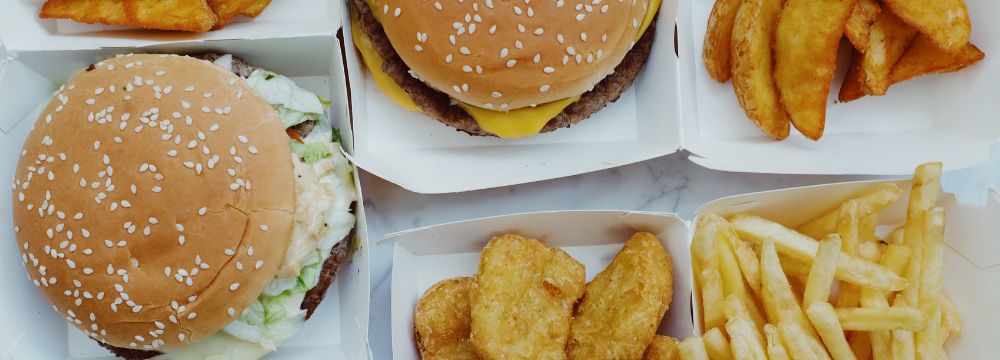
What you eat can either fuel inflammation and plaque buildup or help prevent it. Diets high in added sugars, red and processed meats, sodium, and saturated fats tend to increase the risk of high blood pressure, cholesterol issues, and ultimately heart disease. What’s the flip side? You guessed it. A healthy heart comes with a high-quality diet filled with whole, minimally processed foods.
Extensive studies have shown that individuals who consume higher-quality diets have a significantly lower risk of heart disease, even when measured using different scoring systems, such as the Healthy Eating Index (HEI), the Alternative Healthy Eating Index (AHEI), and the DASH score (Dietary Approaches to Stop Hypertension). One major review found that folks with the healthiest diets had up to a 23% lower chance of developing or dying from cardiovascular disease compared to those with the poorest diets.1
Another study followed people over time and found that those with the highest diet quality not only had more years without heart problems (around 0.5 to 2.2 extra CVD-free years), but in some cases, they lived up to 5 years longer, depending on their age and gender.1
But what exactly is a high-quality diet? Here’s what researchers and major health organizations agree on:
- Lots of vegetables, fruits, whole grains, and legumes
- Lean and plant-based proteins (fish, tofu, turkey)
- Unsaturated fats like olive oil and nuts
- Low-fat or fat-free dairy
- Minimal added sugars, red meat, and saturated fats
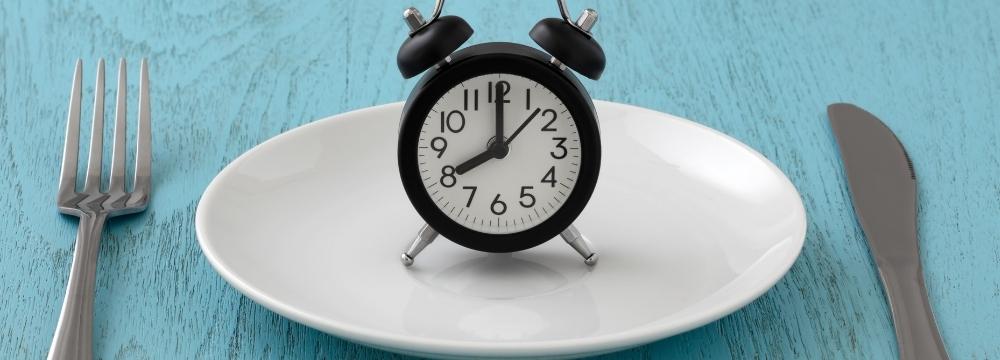
It’s worth acknowledging that this doesn’t always play out so neatly in everyday life. What’s healthy and realistic for you depends on your culture, budget, and the availability of foods – it has to work in real life. Incorporating other lifestyle tweaks, such as regular movement or time-restricted eating (limiting meals to an 8–10 hour window each day), can make the diet component even more effective, especially when cultural factors limit how much your eating habits can change.2
Diet Diving
Mediterranean Diet
Noted as one of the healthiest eating patterns, the Mediterranean diet is characterized by meals built around vegetables, fruits, whole grains, legumes, olive oil, nuts, and fish, with modest amounts of dairy, meat, and wine. It’s not low-fat, but it favors the right fats – mainly monounsaturated fats like those found in olive oil and tree nuts. What makes this diet stand out is its flexibility. There’s no calorie counting or rigid meal plan; instead, it relies more on satiety, sustainability, and satisfaction.
Researchers have studied the Mediterranean diet since the 1960s and now believe that its protective effects stem from a synergy between the foods, rather than relying on any single item, such as olive oil or fish. Early research, such as the Seven Countries Study, linked the Mediterranean diet to lower rates of heart disease and mortality. Since then, extensive reviews have confirmed that individuals who adhere to this diet live longer and experience fewer chronic diseases, including heart disease, cancer, and diabetes.4
DASH
The DASH diet (short for Dietary Approaches to Stop Hypertension) emphasizes whole, nutrient-rich foods like fruits, vegetables, whole grains, lean proteins, and low-fat dairy while limiting salt, added sugars, and unhealthy fats. Unlike some diets, DASH doesn’t require specialty foods or calorie counting, much like the Mediterranean diet.
In the original trial, individuals who followed the DASH diet experienced lower blood pressure compared to those on a typical American diet, even when salt intake was equal. The DASH-Sodium study then demonstrated that combining the DASH diet with reduced sodium intake further lowered blood pressure. Further research found that tweaking the DASH diet by replacing some carbohydrates with plant-based protein and healthy fats further improved blood pressure and cholesterol levels. One of the most extensive studies, the PREMIER trial, confirmed that combining the DASH diet with counseling and physical activity led to the most significant reductions in blood pressure and weight over a six-month period. DASH is now recognized as one of the best diets for heart health and blood pressure control by the National Heart, Lung, and Blood Institute and named “Best Heart-Healthy Diet” by U.S. News & World Report.5
Keto
The ketogenic diet induces a state called nutritional ketosis, in which the body produces ketone bodies due to a high-fat, low-carbohydrate intake. Ketone bodies are alternative fuel molecules derived from fat that the body uses as an alternative to glucose. This diet pattern emphasizes foods rich in fats, especially omega-3 fatty acids from sources like oily fish, and limits carbohydrates, particularly refined and processed ones.
In addition to improving energy metabolism and reducing inflammation, the ketogenic diet has been shown to support vascular health by enhancing endothelial cell function in the lining of blood vessels, promoting vasodilation (widening of blood vessels), and lowering blood pressure. It also often leads to weight loss, a crucial factor in reducing the risk of cardiovascular disease. A 2023 study found that after 45 days on a very low-calorie ketogenic diet, systolic blood pressure decreased by nearly 13% and diastolic blood pressure by almost 11% in women with obesity and hypertension, largely due to weight loss and improved metabolic health.6
Vegetarian/Vegan
Vegetarian and vegan diets center around plant-based foods. Vegetarians avoid meat, poultry, and fish, while vegans cut out all animal products, including dairy and eggs. Cutting back on red and processed meats reduces major sources of salt, cholesterol, and saturated fat, while plant-based diets can bring in more fiber, potassium, and antioxidants.
Vegetarians, on average, have lower blood pressure, lower cholesterol levels, and a lower risk of type 2 diabetes. A recent review of more than 800,000 people found that vegetarians had a 15% lower risk of cardiovascular disease (CVD) and a 21% lower risk of ischemic heart disease (IHD) compared to non-vegetarians. Vegans had an 18% lower risk of IHD, although results for other heart outcomes weren’t as strong, likely due to fewer studies focused solely on vegans.7
Each of these diets has something in common: they all lean into more plants, less processed food, and a focus on balance, rather than restriction. You don’t have to overhaul your life or follow a strict plan to eat well. Some simple steps you can take away from all of this include:
- Add one plant-based meal to your week
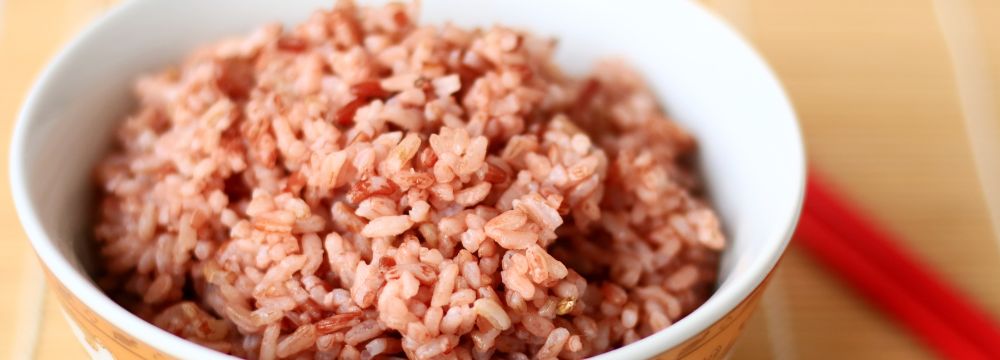
- Swap refined grains (white bread) for whole grains (brown rice or oats)
- Cook at home more often to control salt and fat
- Read food labels with heart health in mind
- Try “Meatless Monday” to experiment with vegetarian or vegan meals
- Grocery shop around the outer edges of the aisles where fresher food lives
- Use herbs and spices instead of salt to flavor your food
Diet absolutely plays a huge role in determining how long and well your heart functions. The overall pattern of what you eat is what you need to pay attention to – meals based around real, colorful, and unprocessed foods.
A quick word of caution: Everybody is different, and jumping into a new eating plan without considering your unique health needs can do more harm than good, especially if you have existing health conditions. Discuss your individual needs with your healthcare provider. If you have a heart condition or suspect you may have one, the providers at Nevada Cardiology can assess it before making significant dietary changes. We’ll help you find a heart-smart routine that’s also realistic for your lifestyle.
References
- Petersen, K. S., & Kris-Etherton, P. M. (2021). Diet Quality Assessment and the Relationship between Diet Quality and Cardiovascular Disease Risk. Nutrients, 13(12), 4305. https://doi.org/10.3390/nu13124305.
- Ormiston, C. K., Rosander, A., & Taub, P. R. (2022). Heart-Healthy Diets and the Cardiometabolic Jackpot. Medical Clinics of North America, 106(2), 235–247. https://doi.org/10.1016/j.mcna.2021.11.001.
- Petersen, K. S., & Kris-Etherton, P. M. (2021). Diet Quality Assessment and the Relationship between Diet Quality and Cardiovascular Disease Risk. Nutrients, 13(12), 4305. https://doi.org/10.3390/nu13124305.
- Rees, K., Takeda, A., Martin, N., Ellis, L., Wijesekara, D., Vepa, A., Das, A., Hartley, L., & Stranges, S. (2019). Mediterranean-style diet for the primary and secondary prevention of cardiovascular disease. The Cochrane database of systematic reviews, 3(3), CD009825. https://doi.org/10.1002/14651858.CD009825.pub3.
- NIH National Heart, Lung, and Blood Institute. (2021, December 29). The Science Behind the DASH Eating Plan. Www.nhlbi.nih.gov. https://www.nhlbi.nih.gov/education/dash/research.
- Dyńka, D., Kowalcze, K., Charuta, A., & Paziewska, A. (2023). The Ketogenic Diet and Cardiovascular Diseases. Nutrients, 15(15), 3368. https://doi.org/10.3390/nu15153368.
- Dybvik, J. S., Svendsen, M., & Aune, D. (2023). Vegetarian and vegan diets and the risk of cardiovascular disease, ischemic heart disease and stroke: a systematic review and meta-analysis of prospective cohort studies. European journal of nutrition, 62(1), 51–69. https://doi.org/10.1007/s00394-022-02942-8.